









Honey: A Treasure for Our Bodies
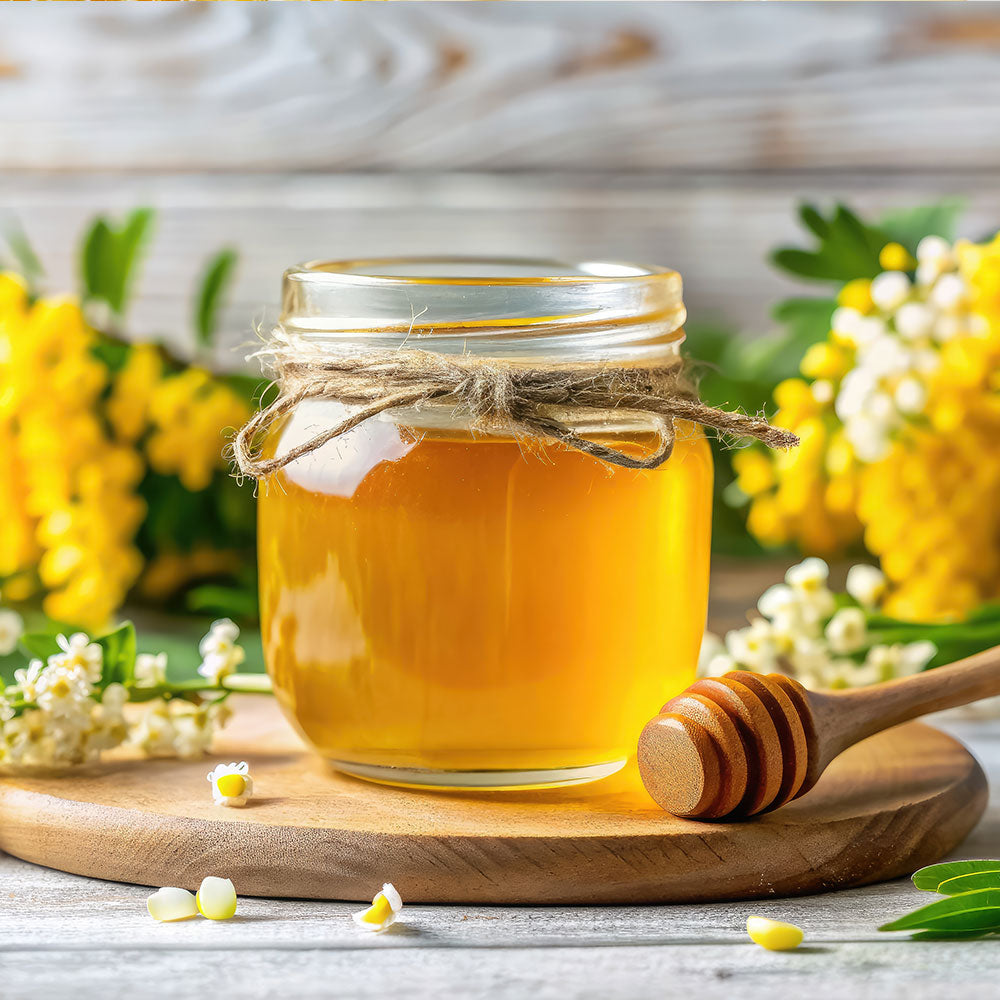
Honey is a natural food product made by bees from flower nectar. It comes from one or more varieties of flowers and therefore has different benefits depending on its origin. It can be monofloral or polyfloral honey.
Honey is mainly composed of carbohydrates; the richer it is in fructose, the more liquid it is, and the richer it is in glucose, the more solid it is. Its glycemic index is high, so diabetics should consume it in moderation.
It has numerous health benefits. Its benefits primarily come from its rich composition of active molecules.
What are its active molecules?
Honey is a source of several vitamins (such as B and C vitamins) and minerals (such as calcium, potassium, and magnesium), which play an essential role in maintaining overall health. The richer it is in minerals, the darker its color.
Honey contains various antioxidant compounds, such as flavonoids and phenolic acids, which help neutralize free radicals in the body, thereby reducing oxidative stress and the risk of chronic diseases.
Honey contains hydrogen peroxide, methylglyoxal, formic acid, gluconic acid, antimicrobial peptides, and other antibacterial substances, which give it antifungal, antiviral, antibacterial, and anti-inflammatory properties.
What are its benefits?
 |
Boosts natural defenses Thanks to its antioxidant and antibacterial properties, honey can strengthen the immune system and help prevent all kinds of infections. It is notably used as a remedy for coughs and sore throats. It soothes irritations by forming a protective film and has expectorant properties. |
 |
Promotes digestion Honey can improve intestinal function thanks to its prebiotic effect, by stimulating the growth of good intestinal bacteria and gastric function by protecting the gastric lining and fighting Helicobacter Pilory, responsible for most ulcers. |
 |
Aids in healing Honey is used to treat wounds and burns. Its antimicrobial properties promote healing and reduce the risk of infection when applied topically. Used in skincare, honey can hydrate, nourish, and help treat various skin problems such as eczema or acne thanks to its anti-inflammatory and antiseptic properties. |
 |
Acts on oral health Surprisingly, honey is beneficial for our teeth, gums, and oral flora. It stimulates the growth of anti-cariogenic bacteria and prevents tartar formation; it also soothes gingivitis and relieves dry mouth. |
How to consume honey?
It is not necessary to consume large quantities of honey to obtain all its positive effects, but rather to integrate it into our daily diet with 1 teaspoon per day, consuming it pure, as a seasoning, spread, or in a drink that is not too hot.
To retain all its properties, honey should not be refrigerated, heated, or brought into contact with metal.
Read more
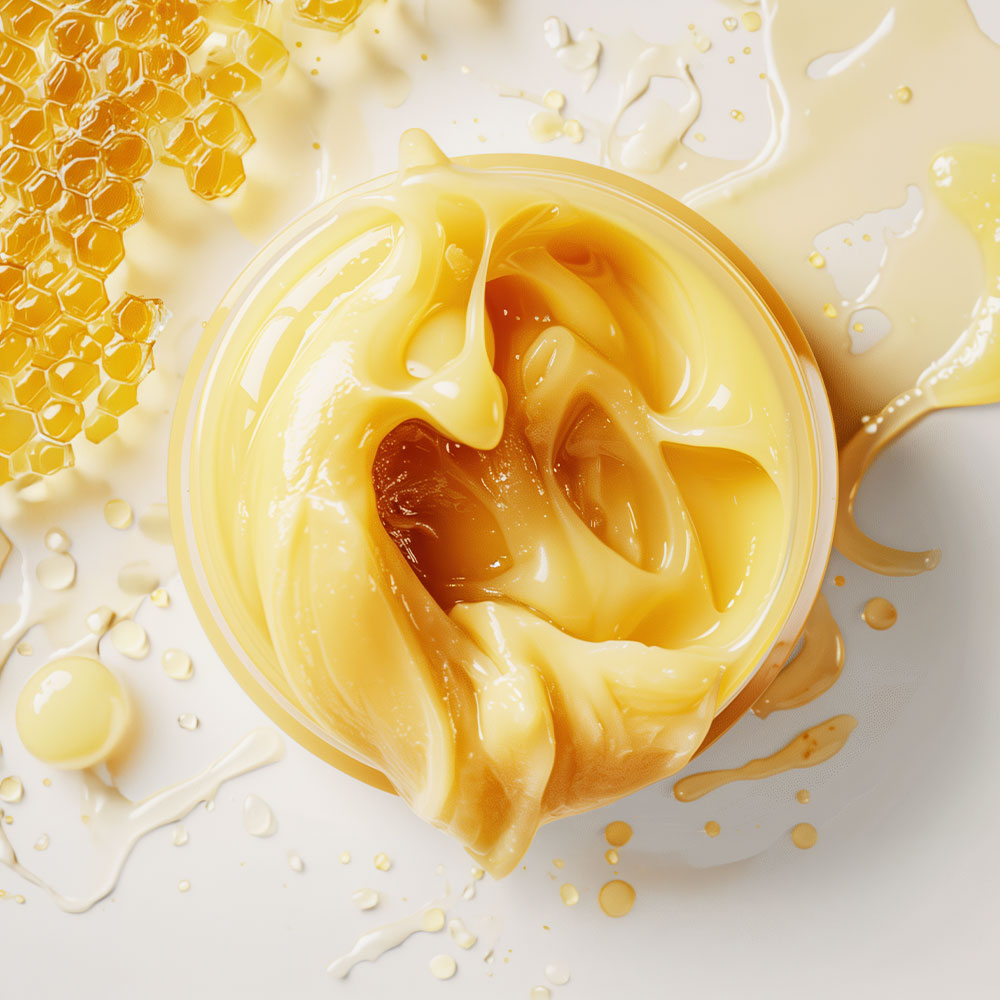
Royal jelly is a highly active biological substance produced by nurse bees and exclusively intended for the queen. This difference in diet is enough to transform an ordinary larva into a fertile an...

What is an oxidant (free radical)? Oxidants are molecules that have lost an electron and seek to regain one at the expense of another molecule. To stop this chain reaction, electron donors are need...


