







Propolis & oral hygiene
Propolis is known for its antimicrobial activity. Its fungicidal, virucidal, and bactericidal power, combined with an anti-inflammatory action, gives it a very broad spectrum of action on the immune and digestive systems.
However, it is less known for its oral use.
In the mouth, its bactericidal action will:
- Prevent the formation of dental plaque,
- Help prevent dental cavities,
- Fight against certain causes of bad breath,
- Prevent gingivitis and gum recession.
Using propolis-based toothpaste and practicing mouthwashes with a small amount of propolis diluted in a glass of water (5 to 10%) is an excellent way to practice oral hygiene.
Propolis can also help accelerate the healing of an oral infection such as canker sores or oral candidiasis, and also promote healing and limit the risk of infection after a tooth extraction or implant placement.
In addition to its antiseptic properties, propolis will:
- Calm inflammation,
- Reduce bleeding,
- Relieve pain through its anesthetic effect, thus reducing the need for synthetic painkillers.
It can be used diluted as a mouthwash or pure as a spray on the affected area.
Studies have also shown that propolis can reduce the severity of periodontitis by contributing to the decontamination of all supporting dental tissues. Propolis is then applied using interdental brushes after each meal.
Propolis therefore has every reason to be in our bathroom for the whole family.
Read more
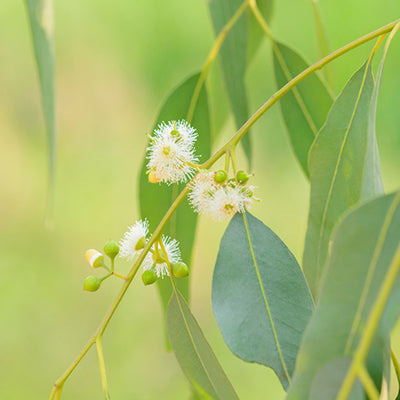
MUSCLES & JOINTS INSECTICIDES Lemon eucalyptus, or corymbia citriodora, is a plant species from the genus Corymbia, belonging to the Myrtaceae family. It is a large tree that can reach 50...

WHAT ARE TRACE ELEMENTS? Trace elements, along with vitamins, are catalysts for the biological functions of all living organisms. WHAT IS A CATALYST? Catalysts facilitate biological functions by de...


