


The secrets of Castor Oil
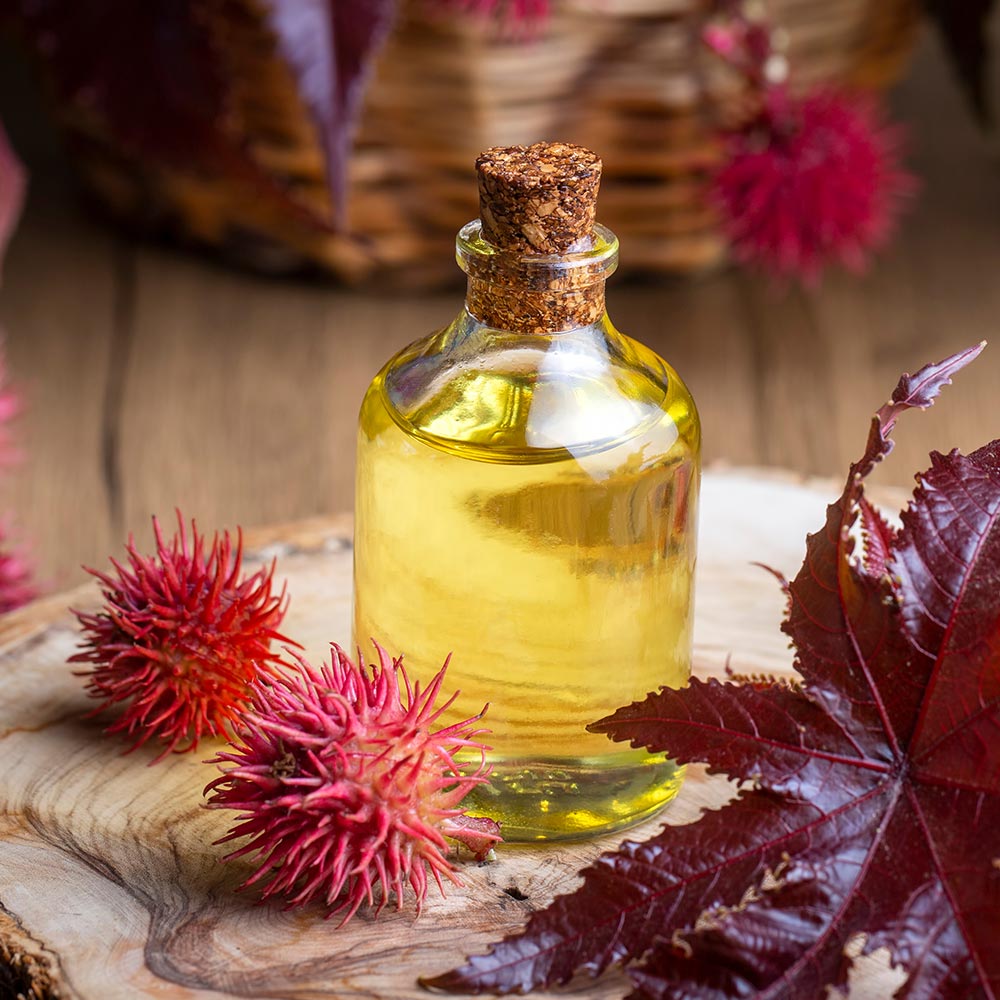
Castor oil comes from castor beans, which grow in India, Brazil, and China. It has been used since the 16th century BC.
It is a thick, viscous, colorless or pale yellow oil that is very stable and therefore does not oxidize easily. What sets it apart from other vegetable oils is ricinoleic acid, which makes up to 85% of its composition. This specific fatty acid explains the very broad spectrum of action of castor oil.
Its cosmetic benefits
|
It promotes growth and strengthens hair, eyelashes, eyebrows, and beards. It is known for strengthening nails, accelerating the growth of eyelashes, hair, and beards, and making them stronger, thicker, and shinier. It can also purify the scalp and fight dandruff. |
|
It can also be used on the skin to nourish and soften it. It is therefore indicated for fighting cracks, chapped skin, and calluses. It can improve skin conditions such as acne, eczema, psoriasis, warts, and also reduce scars, redness, rosacea, and sunburns. |
 Appendage Beauty
 Skin Problems
Its health benefits

Castor oil is less known for its use in poultices, yet it can relieve many pains. It is anti-inflammatory, antiseptic, antifungal, decongestant, and draining for the lymphatic system, as well as analgesic and antispasmodic.
How to use it?
 As a poultice Soak a piece of cotton cloth in oil. Place it on the affected area, then cover with a waterproof film (plastic) and apply a hot water bottle for 30 minutes. |
 Topical use As its texture is thick, mix castor oil with another vegetable oil suitable for the imbalance before massaging the affected area. |
 Oral use Oral use is not recommended. Indeed, castor oil has a purgative effect. It should therefore be used with caution, otherwise unpleasant side effects may occur. |
Read more

Sunbathing, swimming, hiking, barbecues accompanied by a good rosé wine, long evenings – all these summer activities that feel so good also contribute to our aging. The sun, certain foods, and poll...
Soluble fibers are dietary fibers that form a viscous gel when mixed with liquid. They represent about 1/3 of the fibers necessary for our digestive health. They fall into 3 main categories: pectin...


