




Essential oil - Organic linalool thyme
PROBLEM & OILY SKIN NATURAL DEFENSES TONE & BALANCE
DISINFECTION
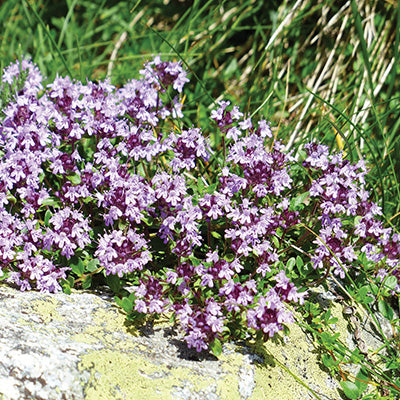
Linalool thyme, also known as common thyme, is a shrub from the Lamiaceae family. Renowned for its very powerful aromatic properties and highly popular in culinary use (especially Mediterranean cuisine), it mainly grows in the garrigues of Southern Europe and North Africa. It has evergreen foliage, with small, narrow green leaves on the top and grey on the underside. Thyme produces pretty, small, white or pink flowers.
- INCI Name: Thymus Vulgaris Flower/leaf Oil
- Botanical Name: Thymus vulgaris linaloferum
- Part of the plant extracted: Flowering branches
- Extraction process: Steam distillation
Culture & Origin
Linalool thyme should be distinguished from other types of thyme. Just like rosemary or lavender, there are indeed multiple varieties of thyme, notably thymol thyme, with a different biochemical composition and properties.
Originating from countries around the Mediterranean, common thyme prefers a hot and dry climate, as well as mountainous areas. In France, it is thus quite frequently found in the Alps and the Pyrenees.
While it is appreciated in cooking, thyme also possesses medicinal virtues that have been used for several millennia. In Egypt, it was used for embalming the dead, due to its purifying benefits. Hildegard of Bingen also mentions it in her works, notably as a natural remedy for whooping cough.
Health Properties
Helps stimulate natural defenses :
-
Organic linalool thyme essential oil, as its name suggests, has a fairly high concentration of linalool, a molecule that has the particularity of promoting immune response. This essential oil is thus renowned for its immunostimulant action, which helps to strengthen the body's natural defenses. It is therefore recommended as a support in diffusion or olfaction to help limit the proliferation of viruses and bacteria, especially during the winter period or in case of infections or inflammations of all types.
Contributes to purifying ambient air and promoting respiratory comfort :
-
Similarly, linalool thyme essential oil can also be used to help purify ambient air thanks to its antiseptic and anti-infectious properties. Diffused for a few minutes in the ambient air, it will be particularly recommended in case of ENT disorders to promote respiratory comfort. It can be used alone here, or in synergy with other essential oils such as tea tree or ravintsara to reinforce its benefits.
Promotes tone and vitality :
-
In diffusion, olfaction, or topical application to the spine diluted in a vegetable oil, organic linalool thyme essential oil will also be recommended to help combat physical and mental fatigue. With strong stimulating properties, its fresh scent promotes tone and vitality while helping to reduce nervousness and anxiety.
It can be combined with other essential oils such as Scots pine or black spruce for an even more effective synergy.
Cosmetic Properties
Fights skin problems :
-
In cosmetics, organic linalool thyme essential oil will be recommended for all skin types. Fairly well tolerated, it can thus be incorporated into cosmetic care recipes to help fight against skin problems. Combination to oily skin appreciates its antifungal and antibacterial properties to naturally prevent the appearance of imperfections.
It can also be recommended in cases of psoriasis, eczema, or even dermatitis as a support to regain daily comfort and promote skin regeneration.
Combined with other essential oils with targeted properties such as tea tree or true lavender, it naturally promotes skin beauty.
Usage Tips
Known to all, thyme is a very popular condiment in cooking for its very appreciable Mediterranean fragrance as an accompaniment to meats. In aromatherapy, its essential oil is mainly known for its purifying, antibacterial and antifungal virtues, as well as for its immunostimulant action.
Linalool thyme essential oil is generally used in diffusion or olfaction, both to help stimulate natural defenses and fight against the proliferation of viruses and bacteria, and to help stimulate the body after a period of physical or psychological fatigue.
During the winter period, it is a very popular essential oil, just like ravintsara, niaouli or tea tree. It helps naturally restore respiratory comfort, and fight against all types of infections or inflammations.
In cosmetics, it can be used to boost the beauty of all skin types. Its antifungal, antiseptic and regenerating properties will nevertheless be more appreciated by combination, oily or problem skin to regain comfort and limit the appearance of imperfections.
Organic linalool thyme essential oil can be used alone, or in combination with other essential oils to reinforce or complement its various properties. We can thus cite essential oils of radiata eucalyptus, Scots pine or saro for respiratory well-being, or essential oils of Chinese cinnamon or compact oregano to help fight digestive infections, for example.
Read more

STRESS & FATIGUE NATURAL DEFENSES TONE & BALANCE DISINFECTION Like rosemary, thyme has many species: there are about 200 different ones, mainly found in Europe and southern re...
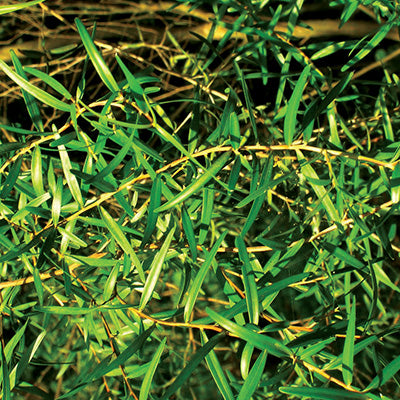
PROBLEM & OILY SKIN NATURAL DEFENSES DISINFECTION Tea tree, also known as tea tree, is an evergreen tree native to Australia. This shrub can reach a height of 6 meters, and its leaves...


