





Discover and better understand essential oils
Essential oils hold a thousand and one secrets. We discover new ones every day, much to our delight.
In Latin and Greek, "aroma" means "aroma, aromatic" and "therapeia" means "care, cure". We are therefore talking about the therapeutic use of aromatic plant extracts.
- When oils become essential
- Extraction process by steam distillation
- Our quality criteria for essential oils
When oils become essential
An essential oil is a natural concentrate secreted by the aromatic plant to ensure its survival and well-being. It is extracted by distillation.
Composed of about a hundred particularly active and original aromatic molecules, essential oils are considered the precious and aromatic quintessence of the plant world.
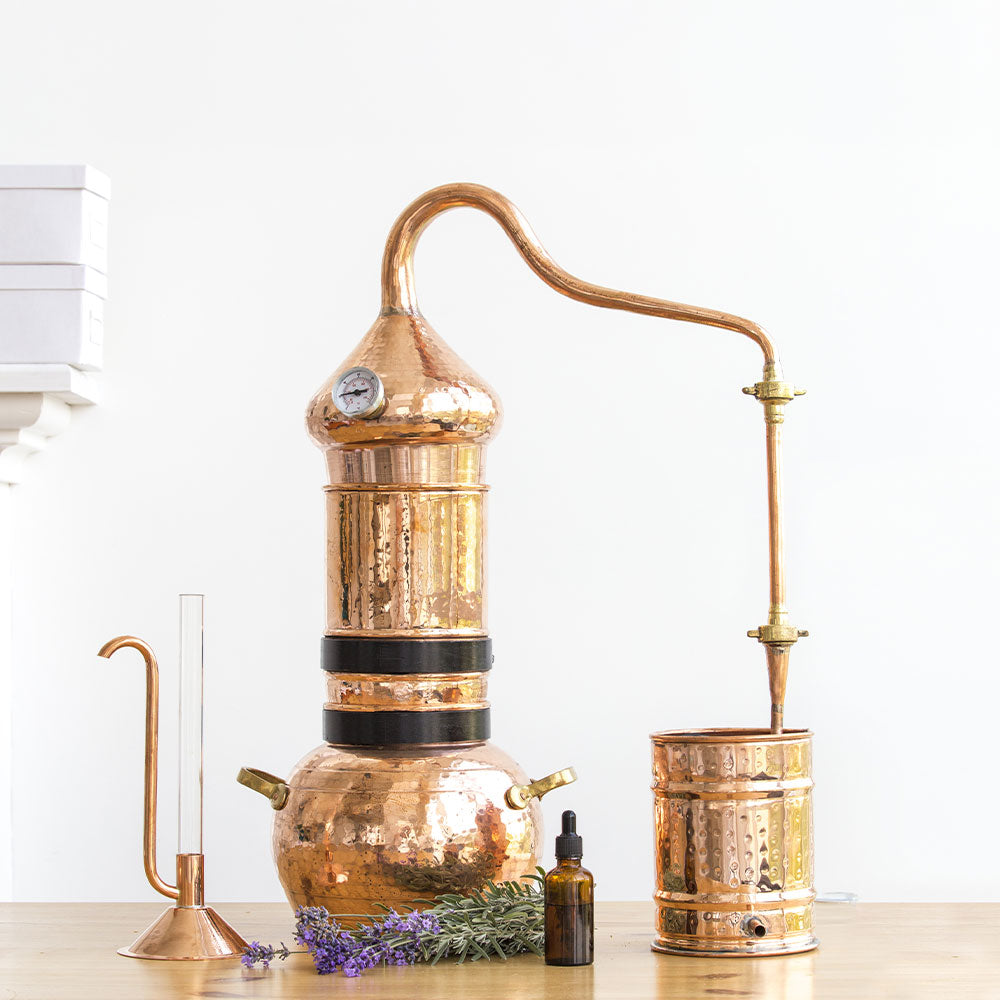
Extraction process by steam distillation
Steam distillation is the oldest method and the most suitable for the extraction of aromatic molecules. Fresh plants are distilled by steam entrainment to extract the essential oil and hydrolate. Generally, a huge quantity of plant is needed to obtain a small quantity of essential oil: for example, to obtain 1 liter of Lavender essential oil, 100 kilograms of flowers are necessary!
Our quality criteria for essential oils
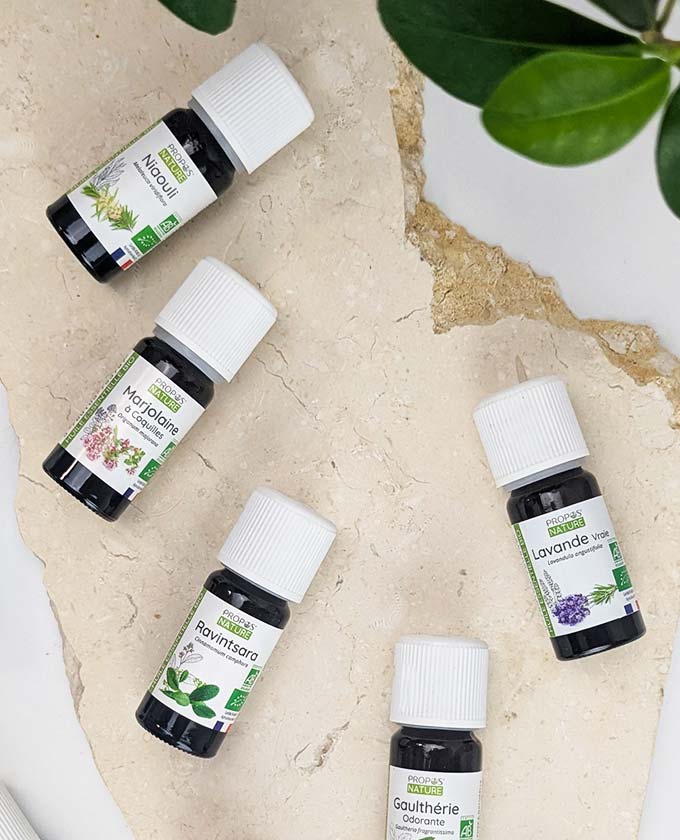
Propos'Nature rigorously selects all its essential oils for their 100% pure and natural quality and from certified Organic farming.
Each batch is controlled by our Quality department (extraction process, origin, chemotype, appearance, color, smell, and chromatography) providing a precise guarantee on its composition and purity for therapeutic efficacy, both curatively and preventively.
Read more

Omega-3s are part of the Essential Fatty Acids, meaning our bodies cannot produce them on their own, so we must provide them. It is often difficult to get enough of them through diet, which is why ...
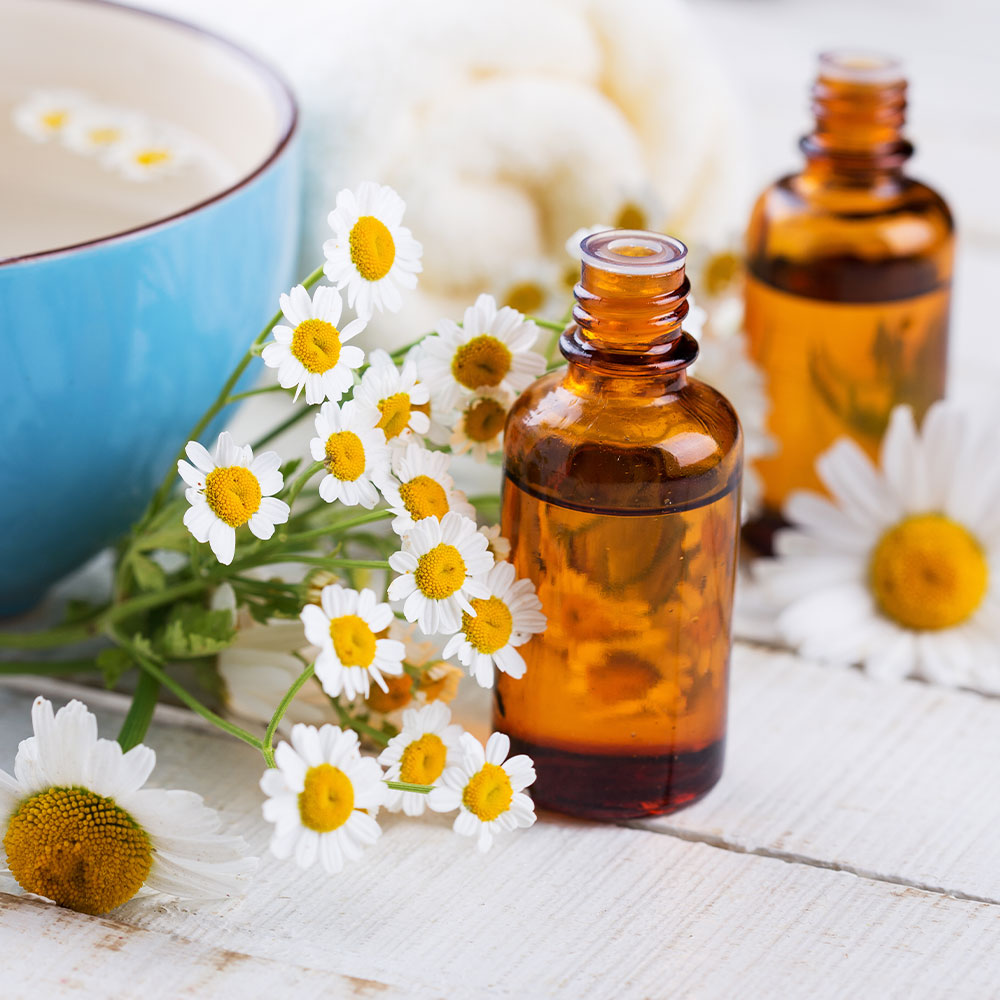
Vegetable oils come from oilseed plants (from the Latin oleago: containing oil), unlike essential oils which are derived from aromatic plants. Vegetable oils are widely used in cosmetics, where the...


